

Platelet Rich Plasma

Possible Side Effects and Risks

While PRP Therapy uses your body’s own blood, there are potential risks, including:

  • Temporary swelling or bruising at the injection site
  • Mild pain or discomfort
  • Rarely, infection or allergic reaction

Your healthcare provider will discuss these risks with you and determine if PRP Therapy is appropriate for your condition.


Is PRP Therapy Right for Me?

PRP Therapy may be suitable for individuals seeking an alternative to traditional treatments
for certain musculoskeletal conditions. A thorough consultation with your healthcare provider is necessary to assess your specific situation and determine if PRP Therapy is an appropriate option.


Why Choose Our Clinic for PRP Therapy?

  • Experienced Medical Professionals: Our team is trained in administering PRP Therapy safely and effectively.
  • Personalised Care: We tailor treatments to meet your individual needs and health goals.
  • Comprehensive Support: From initial consultation to post-treatment care, we support you every step of the way.

Please note: PRP Therapy is considered a therapeutic treatment and is regulated by the Therapeutic Goods Administration (TGA) in Australia. All claims made are in compliance with TGA guidelines to ensure accurate and responsible information is provided to patients.

Platelet Rich Plasma

What is PRP Therapy?

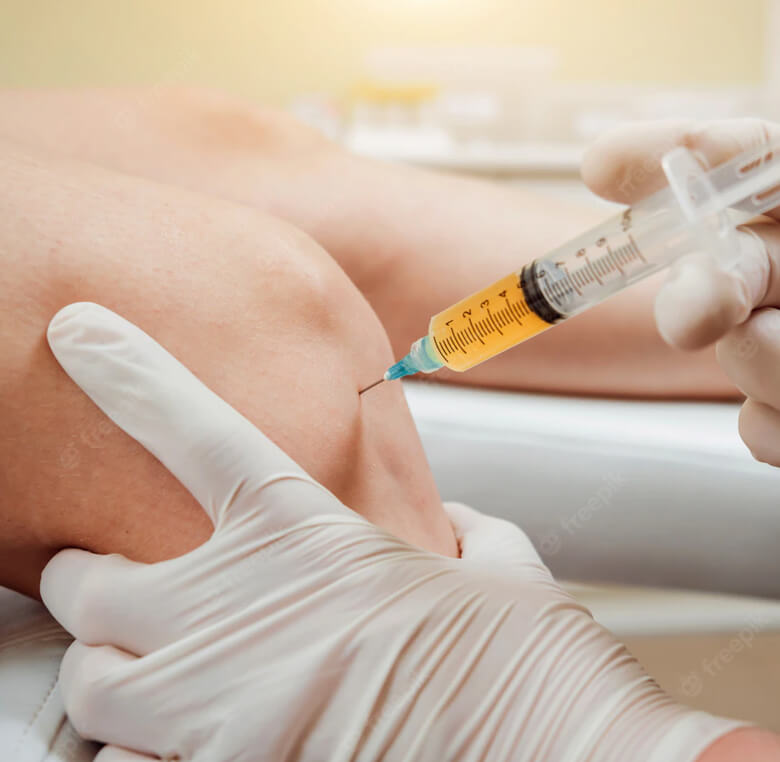
Platelet-Rich Plasma (PRP) Therapy is a treatment that uses your body’s own blood to promote healing in injured or painful areas. A small sample of your blood is drawn, processed to concentrate the healing platelets, and then re-injected into the affected area. This process aims to support your body’s natural healing mechanisms.


Medical Acupuncture vs Electro-Acupuncture

PRP Therapy may be considered for:

  • Joint pain (e.g., knees, shoulders, elbows)
  • Tendon injuries (e.g., tennis elbow, Achilles tendinopathy)
  • Ligament sprains
  • Muscle strains

It’s important to note that individual responses to PRP Therapy can vary, and not all patients will experience the same outcomes.


How Does PRP Therapy Work?

The healing platelets in your blood contain growth factors that can aid in tissue repair. By concentrating these platelets and delivering them directly to the site of injury, PRP Therapy aims to enhance your body’s natural healing processes.


What to Expect During Treatment

  • Preparation: A small sample of your blood is drawn.
  • Processing: The blood is processed to concentrate the healing platelets.
  • Injection: The PRP is injected into the targeted area.
  • Duration: The procedure typically takes about 30–60 minutes.

Most patients can resume normal activities shortly after treatment, though some may experience mild discomfort or swelling at the injection site.

PRP could be utilized in the cases of :